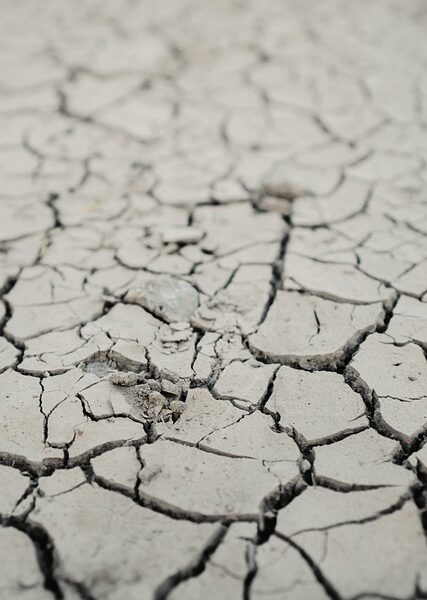
Drought Effects on Concrete
Exposed Aggregate Concrete Adelaide people usually think drought is tough on lawns.
Or gardens.
Or water restrictions.
Concrete rarely enters the conversation.
After spending more than twenty years building driveways, patios, exposed aggregate and shed slabs around Adelaide, we’ve learnt that long dry spells leave their mark on concrete too. Not because the concrete suddenly becomes weak, but because everything around it starts behaving differently.
That’s the part most people never see.
One thing we’ve noticed is that the longest, driest summers often create the biggest surprises months later. The driveway looks perfect when we finish it. Then Adelaide goes through another stretch with barely any rain, and the ground underneath starts changing.
The concrete hasn’t moved on its own.
The soil has.
If you’ve lived here for a while, you’ve probably seen it happen elsewhere. A gate suddenly won’t close properly. A brick wall develops a hairline crack. Pavers that were level last year now rock under your feet.
That’s Adelaide’s reactive clay soil doing what it’s always done.
It shrinks when it dries out.
After doing hundreds of driveways, we’ve learnt that drought doesn’t just dry the surface. It pulls moisture from well below ground, especially around older homes where trees have been competing for water for decades.
That’s where people get caught out.
Most people assume a dry block is a stable block.
Honestly, it can be the opposite.
When the ground loses moisture over months instead of weeks, tiny gaps can develop beneath the surface. You won’t notice them standing in the front yard, but they’ll be there. If the base hasn’t been prepared properly before the concrete goes down, those changes eventually start showing themselves.
Almost every callback we’ve had started with movement underneath the slab rather than a problem with the concrete itself.
That’s why we’re fussy about preparation.
People sometimes wonder why we spend so much time compacting the base before the truck even arrives.
This is why.
The funny thing is, the problems often don’t appear during the drought.
They show up when the rain finally comes back.
Clay doesn’t just shrink.
It swells again.
After months of being dry and hard, the first decent winter rains can change the ground surprisingly quickly. If different sections of soil absorb moisture at different rates, they don’t all move together. That’s when you can start seeing pressure placed on slabs, paths and driveways.
You can’t stop clay behaving like clay.
You can build with it in mind.
Trees become a bigger factor during drought too.
Large gum trees are incredible survivors. While everything else struggles through a dry Adelaide summer, their roots keep searching for moisture wherever they can find it. We’ve noticed older properties with mature gums often experience more noticeable ground movement during prolonged dry periods than homes without established trees nearby.
It isn’t because the tree is doing anything wrong.
It’s simply trying to stay alive.
That’s why we always pay attention to what’s growing around a project, not just where the concrete is going.
Another thing we’ve noticed is how differently drought affects various parts of Adelaide.
Head towards the hills and the soil behaves one way. Drive through the northern suburbs and you’ll often find wide-open blocks baking under the sun with very little shade. Near the coast, the sea breeze takes some edge off the afternoon heat, but the ground can still become incredibly dry after months without meaningful rain.
Same city.
Different conditions.
That’s one reason experience across Adelaide matters.
There’s also a misconception that pouring concrete during drought automatically creates problems.
Not necessarily.
Some of our best pours have happened during dry weather because we had complete control over the site. No unexpected rain. No muddy foundations. No delays waiting for waterlogged ground to dry out.
The trick is understanding that dry weather changes how the concrete behaves during curing and how the ground beneath it behaves over the months and years that follow.
Those are two different conversations.
Patience matters here as well.
People often want everything finished quickly while the weather is predictable. We understand that. But rushing preparation because the site looks dry is never worth it. We’d rather spend extra time getting the foundation right than hope the ground behaves itself later.
Hope isn’t much of a construction method.
At Pro Concreting Adelaide, drought isn’t something we fear, and it isn’t something we ignore. It’s simply another condition we’ve learnt to work with after two decades on Adelaide building sites.
The weather will always change.
The soil will always move.
The goal isn’t pretending those things don’t happen.
It’s building concrete that’s ready for the day they do.